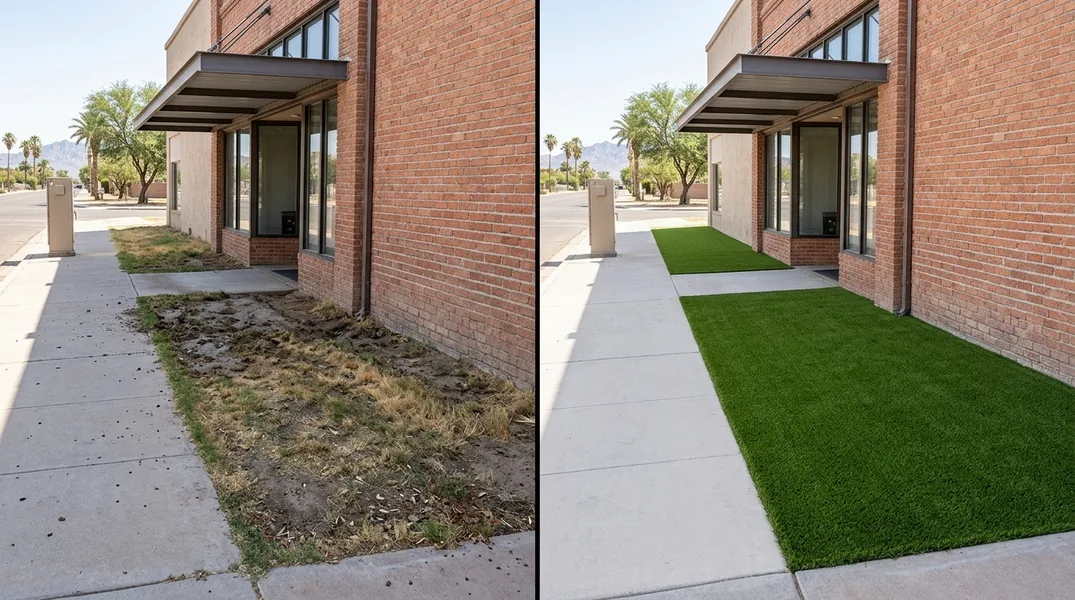
Does Artificial Grass Really Get Too Hot in Yuma?
If you live in Yuma, you know summer heat is no joke. Temperatures regularly exceed 110 degrees Fahrenheit, and homeowners naturally wonder whether artificial grass will become an unbearably hot surface underfoot. The short answer is yes, artificial turf can get warm in intense desert sun, but the degree of heat depends entirely on the type of turf, infill material, and installation method you choose.
The reality is that artificial grass does absorb and retain solar radiation differently than natural grass. However, this doesn't mean your backyard will become a frying pan. Modern artificial turf technology has advanced significantly, and when installed correctly with the right materials, Residential Artificial Grass Installation can remain surprisingly comfortable even during peak summer hours. Understanding the science behind turf temperature and knowing which solutions work best for desert climates is the key to making an informed decision for your home.
How Hot Does Artificial Turf Actually Get?
The temperature of artificial grass depends on several factors, including the color of the turf, the type of infill material used, and the amount of direct sunlight exposure. Studies have shown that dark-colored artificial turf can reach temperatures 30 to 40 degrees Fahrenheit higher than the ambient air temperature on a sunny day. In Yuma, where air temperatures can exceed 115 degrees, this means standard dark turf could theoretically reach 145 to 155 degrees Fahrenheit. That's certainly hot enough to notice, especially if you're barefoot.
However, this worst-case scenario assumes no mitigation strategies. The good news is that lighter-colored turf varieties absorb less heat and remain significantly cooler. Additionally, the type of infill material beneath the grass blades plays a crucial role in temperature regulation. Traditional rubber crumb infill, while durable, tends to absorb and retain more heat than newer alternatives. This is where modern cooling solutions come into play, offering homeowners practical ways to keep their turf at comfortable levels year-round.
Understanding Cooling Infill Technology
One of the most significant advances in artificial grass installation is the development of cooling infill materials. These specialized products are designed to reduce surface temperature and improve the overall comfort of your turf. Residential Artificial Grass Installation in desert regions increasingly incorporates cooling infill as a standard or premium option, and for good reason.
Cooling infills work by reflecting more solar radiation and allowing better air circulation beneath the turf surface. Some products use reflective particles or silica-based materials that naturally resist heat absorption. Others incorporate evaporative cooling technology similar to how water evaporation cools the air around a pool. When installed properly, cooling infill can reduce turf surface temperature by 20 to 30 degrees Fahrenheit compared to standard rubber crumb. For a homeowner in Yuma, this difference is substantial and can make the difference between uncomfortable and perfectly usable outdoor space.
The investment in cooling infill is worth considering, especially if your family plans to use the yard barefoot or if you have young children and pets who will spend time on the grass. Ask about cooling infill options when you request your free estimate from Yuma Artificial Grass Installation, as it's an important feature to discuss based on your specific needs and budget.
Strategic Shade and Design Solutions
Beyond infill technology, the physical design of your yard can dramatically impact how hot your artificial grass gets. Strategic shade placement is one of the most effective and cost-free ways to manage turf temperature. If your yard includes trees, pergolas, shade sails, or patio covers, these structures naturally reduce the amount of direct sunlight hitting your turf throughout the day. Even partial shade for several hours can keep temperatures significantly lower during the hottest parts of the afternoon.
When planning Residential Artificial Grass Installation, consider the sun's path across your property and how existing or planned structures can provide shade. Mature trees are ideal, though you'll want to ensure they don't drop excessive debris onto the turf. Pergolas and shade structures offer excellent alternatives and can be designed to complement your landscape aesthetic. Additionally, lighter-colored turf varieties naturally stay cooler than dark green options. While some homeowners prefer the look of darker turf, light-toned artificial grass can be an excellent compromise between appearance and heat management in desert climates.
Pet Turf & Dog Run Installation requires particular attention to temperature management, since pets spend extended time on the surface. If you're installing turf for a dog run or pet area, shade and cooling infill become even more important considerations for your pet's comfort and safety.
Installation Quality Matters More Than You Think
The way artificial grass is installed significantly affects its temperature performance and overall durability in extreme heat. Proper installation includes correct base preparation, appropriate drainage, and secure fastening that allows for slight movement and air circulation. Poor installation can trap heat and moisture beneath the turf, making it feel hotter and creating potential durability issues over time.
Professional installation ensures that your turf is laid with the correct tension, that the base is properly compacted and drains effectively, and that all edges and seams are secure. These details matter more than many homeowners realize, especially in a climate as demanding as Yuma's. When you work with Yuma Artificial Grass Installation, our team understands the specific challenges of desert installation and takes every step to ensure your turf performs beautifully and comfortably for years to come. We can discuss your concerns about heat during your initial consultation and recommend the best combination of materials and techniques for your property.
Real Homeowner Solutions and Next Steps
The bottom line is that artificial grass doesn't have to be uncomfortably hot, even in Yuma's intense summer climate. By choosing the right combination of turf color, cooling infill, strategic shade, and professional installation, you can create an outdoor space that's both beautiful and comfortable year-round. Many homeowners in the region successfully use artificial grass for everything from play areas to Pool Surround Turf, and temperature management is simply one factor in the overall equation.
If you're ready to explore artificial grass for your home and want to discuss heat management solutions specific to your property, contact Yuma Artificial Grass Installation today at (928) 615-6509 or request your free estimate online. Our team will walk you through all available options, explain the benefits of cooling infill and other features, and help you make the best choice for your family's needs and budget. Don't let concerns about heat prevent you from enjoying the many benefits of a beautiful, low-maintenance artificial lawn in your Yuma home.
Looking for a professional artificial grass installation company in Yuma? Yuma Artificial Grass Installation responds fast for all your artificial grass installation needs.
Get a Free Quote